|
|
|
|
How Economic Indicators Move Crypto |
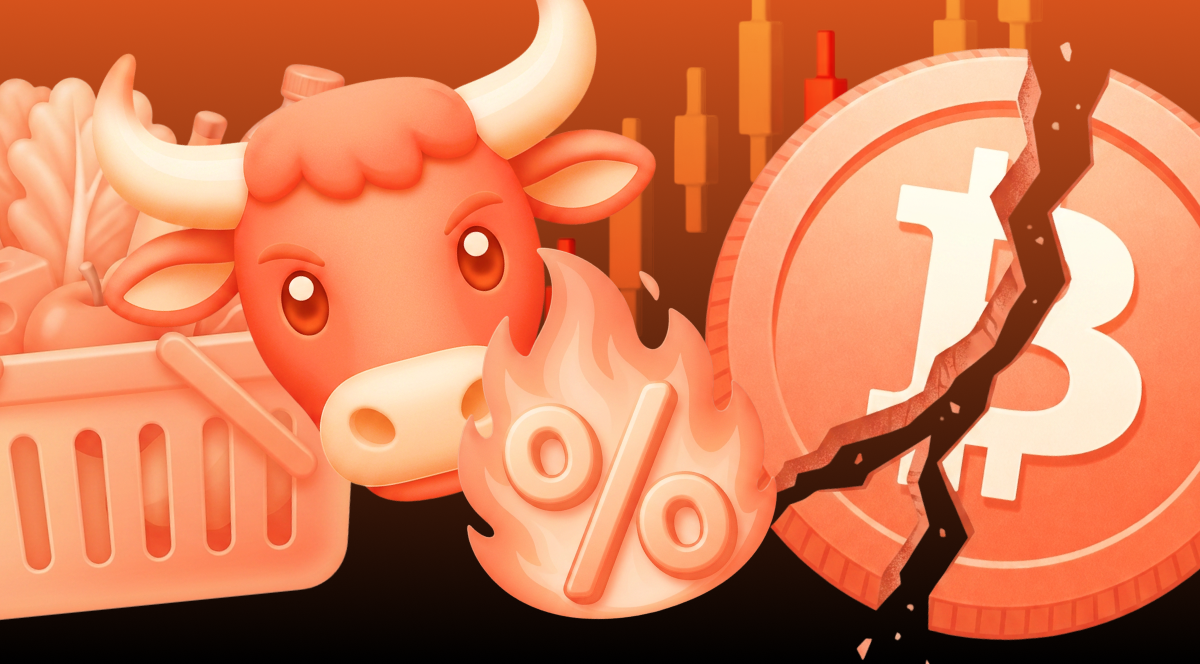
Every month, a handful of government reports come out that make crypto traders hold their breath. They have boring names like CPI, PPI, and NFP. They sound like alphabet soup. But they regularly move Bitcoin more than most crypto news does.
Here's what each one actually means and why your portfolio reacts to them. |
|
CPI (Consumer Price Index) |
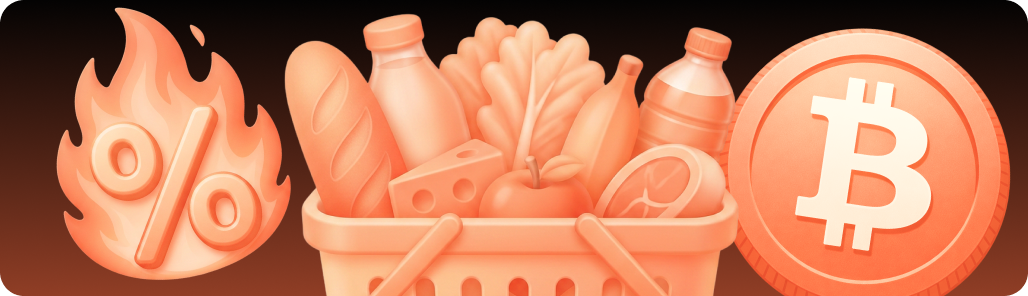
What it is: measures how fast prices are rising for everyday stuff: groceries, rent, gas. Why do we look at it: if CPI is high, the Fed is less likely to cut interest rates. High rates make bonds and savings accounts more attractive, so money flows out of riskier assets like crypto. If CPI drops, traders start betting on rate cuts, and risk assets rally. Real example: on May 13, 2026, CPI came in at 3.8%, higher than expected. Bitcoin ETFs saw $635M in outflows the same day. |
|
PPI (Producer Price Index) |
What it is: measures prices at the wholesale level: what businesses pay before things reach you. Why do we look at it: PPI is a leading indicator for CPI. If producers are paying more, consumers will pay more soon. When PPI runs hot, it signals that inflation isn't cooling, which pushes rate cut expectations further out. Real example: on May 14, 2026, PPI showed the fastest acceleration in three years. Rate cut odds for 2026 dropped to 38%. Bitcoin held up, but barely. |
|
What it is: the Federal Reserve announces whether it's raising, lowering, or holding interest rates. Happens roughly every six weeks. Why do we look at it: lower rates = cheaper borrowing = more money flowing into risk assets like crypto. Higher rates = the opposite. If the Fed holds rates but sounds like cuts are coming, BTC rallies. If they hold and sound hawkish, it drops. Real example: on April 29, 2026, the Fed held rates at 3.50–3.75%. Nobody was surprised, but the 8-4 vote split — the most divided since 1992 — spooked markets. BTC drifted from $78K to $76K over the next two days. |
|
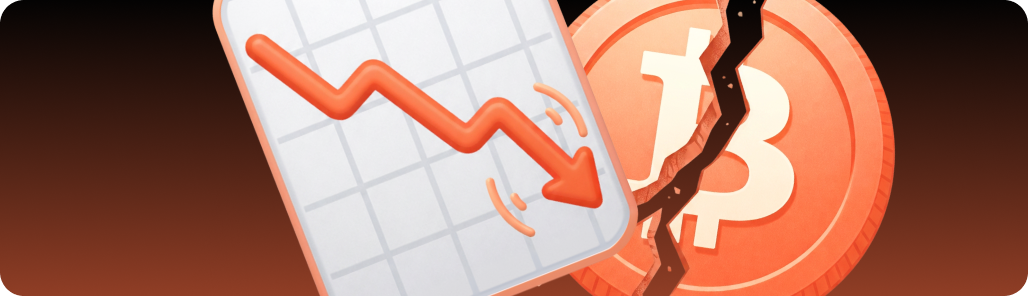
What it is: how many jobs the U.S. economy added last month (excluding farms). Why do we look at it: strong jobs = strong economy = the Fed has no reason to cut rates. Weak jobs = the Fed might cut sooner to support growth. Crypto tends to rally on weak job numbers (weird, but true) because it brings rate cuts closer. |
|
What it is: percentage of people actively looking for work but can't find it. Why do we look at it: same logic as NFP. Rising unemployment = the Fed might ease. Falling unemployment = the Fed stays tight. Crypto prefers a labor market that's softening. |
|
|
|
Have you enjoyed this letter? |
 |
 |
|
|
© Changelly 2015—2026
Get access to mobile-only rates
Download the app to get exclusive benefits:

About | Privacy Policy
Manage Subscription
Any information provided in this email does not constitute investment advice or investment recommendation nor does it constitute an offer to buy or sell or a solicitation of an offer to buy or sell digital assets or other financial instruments described in this email. In particular, this information should not be used as a substitute for suitable investment and product-related advice. Unless expressly stated otherwise, all pricing information is non-binding.
You alone assume the sole responsibility of evaluating the merits and risks associated with the use of any information in this email before making any decisions based on such information.
IMPORTANT NOTICE: This sponsored content is for informational purposes only and not intended for persons in the United Kingdom. If you are accessing this from the UK, please note that this content has not been approved by an FCA authorised person. Cryptoassets are not regulated by the FCA and are high risk. The value of cryptoassets can go down as well as up and you may lose all your money. The content is for information only and not investment advice. |
|
|






Komentar
Posting Komentar