Nigeria tells dollar-stablecoin issuers: go local or lose retail access

Nigeria tells dollar-stablecoin issuers: go local or lose retail accessExisting foreign-currency arrangements need express permission to continue during the 180-day application window.
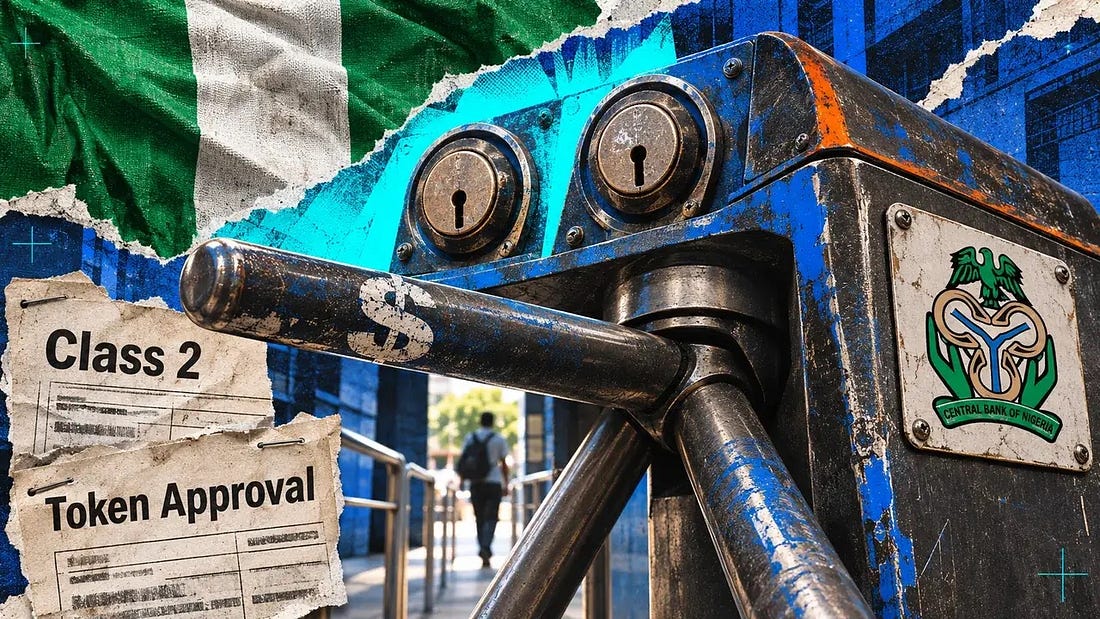
Nigeria’s new rules require local issuers and token approval for foreign-currency stablecoins offered to retail customers, including by providers operating from abroad. Existing operators have a conditional transition, while continued access for these arrangements requires express central-bank permission. Canada, meanwhile, proposes a bank-subsidiary model that would separate covered stablecoins from insured deposits. Bitcoin Lightning operators still need to check their hosts after LND’s security update closed one demonstrated attack route but left the underlying Linux flaw unresolved. Top NewsNigeria tells dollar-stablecoin issuers: go local or lose retail access
Effective November 5, the rules give existing operators 180 calendar days to submit complete applications, with earlier registration and reporting duties. Issuer applicants must establish a staffed Nigerian office, effective local management and a resident chief compliance officer; foreign licensing or a Nigerian intermediary cannot substitute for issuer licensing and token approval. A separate recognition route permits foreign-issued stablecoins only for expressly approved wholesale cross-border settlement, while Class 2 approval does not itself authorize payment of naira-denominated domestic obligations. Bitcoin Lightning’s security update shuts one door. A critical Linux flaw remainsLND’s October 30 updates disable default MPTCP listeners but leave the Linux kernel flaw intact. Other exposed MPTCP services can preserve the demonstrated exploit route; kernel repair requires installing and booting a patched version for the affected package. Canada opens bank stablecoin access, but strips deposit guaranteesCanada’s November 5 budget proposes bank issuance through separate subsidiaries. Covered tokens would have reserve safeguards without public deposit insurance. The changes require legislation; proposed regulations identify fall 2027 as the wider framework’s intended commencement window. What We’re Watching
Elsewhere in CryptoThe missing step in the warning that Japan could trigger Bitcoin’s next selloff. Retained overseas profits do not establish yen buying; separate evidence is needed for portfolio shifts or leveraged unwinds. Two Bitcoin miners reported nearly $2 billion in profit. The biggest boost wasn’t cash. Pretax non-cash revaluations lifted earnings; nine-month cash flows show substantial financing inflows alongside construction spending. XRP’s new euro cash-out route had less than €100 in its direct market. November 8 testing found 96.80 EURGH offered directly and no 1,000-EURGH route for the tested accounts. A Brazilian crypto exchange plans to show customers their money, not let them move it. Planned viewing would show November 2 crypto balances and valuations; the supplied recovery timetable gives no transaction restart dates. Leios scaling threatens Cardano stability unless fast path passes. The proposed emergency shutdown still needs governance approval, consistent node behavior and reconciliation with CAP-12’s ban on zero. The Catalyst by CryptoSlateWhat’s moving crypto. Why it matters. What to watch next. CryptoSlate has covered crypto, markets, and decentralized technology since 2017. Read CryptoSlate · Tips, questions & corrections · Sponsor The Catalyst For information, not investment advice.
|






Komentar
Posting Komentar